

PulseTawk selects all products and services. If you click through links we provide, we may earn a commission. Your support is highly appreciated.
Big Takes:
- Triggers of excessive spending
- Budgeting Apps
- Smart Money Management
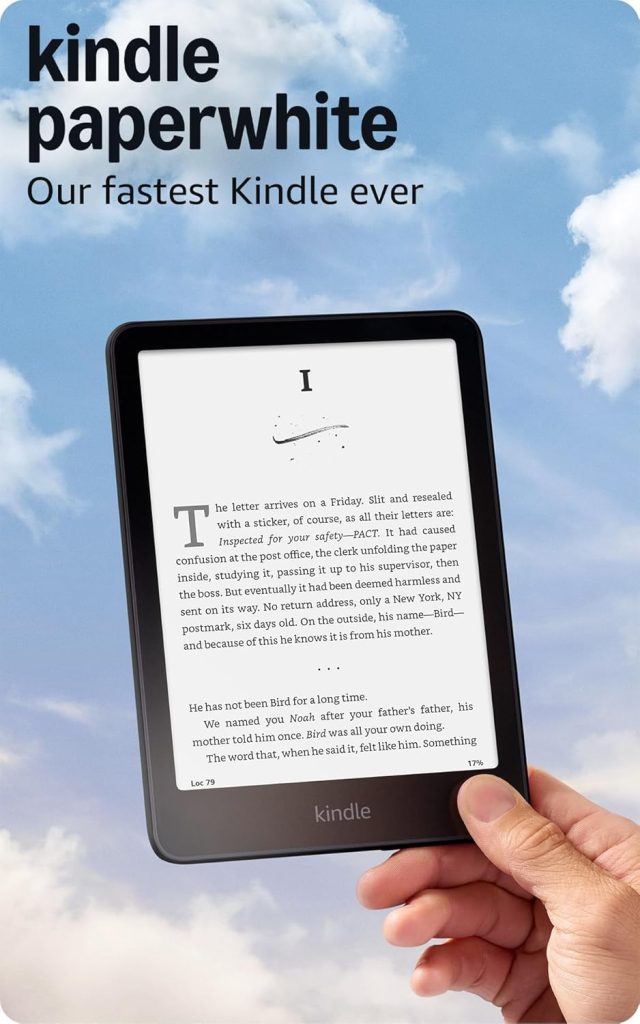
BUY ON AMAZON Amazon Kindle Paper white 16GB (newest model) – 20% faster
Read in any light, Adjust the display from white to amber to read in bright sunlight or in the dark.
Emotional Spending sneaks up on so many of us, turning a quick online browse into a cart full of lets say regrets. If you’ve ever bought something just to chase away stress or boredom, you’re not alone, it’s one of the biggest hurdles to Smart Money Management. In today’s world of endless ads, easy checkouts, and social media highlight reels, these impulse buys are not just slip-ups, they’re built into the system.Well this can all change by understanding the why behind it and setting up simple safeguards, you can break this cycle. I will share psychology and real-world tips, so you can start making choices that feel good long-term.

Buy on Amazon –UGG Women’s Tazz II Slippers
What Is Emotional Spending?
At its core, emotional spending happens when you buy stuff to handle feelings instead of filling actual needs. I will often hear people saying well shopping is therapeutic. It’s like using shopping as a quick emotional band-aid when you really should be dealing with what you are just going through. You might grab that new gadget to feel excited or order takeout to soothe a rough day that is what emotional spending is.

BUY ON AMAZON Project Cloud 100% Genuine Leather Slippers for Women
Key signs include:
- Buying to lift your mood, calm nerves, or regain a sense of power.
- Skipping any real planning or budget check before hitting “purchase.”
- Rationalising the spend with feelings like “I deserve this” rather than logic.
- Feeling that post-buy wave of guilt or “what was I thinking?”
Remember, this isn’t about weak willpower, it’s a natural reaction shaped by our brains, daily stresses, and how companies design shopping to hook us. Recognising it is your first win toward change, we are in this together and that is all that matters.
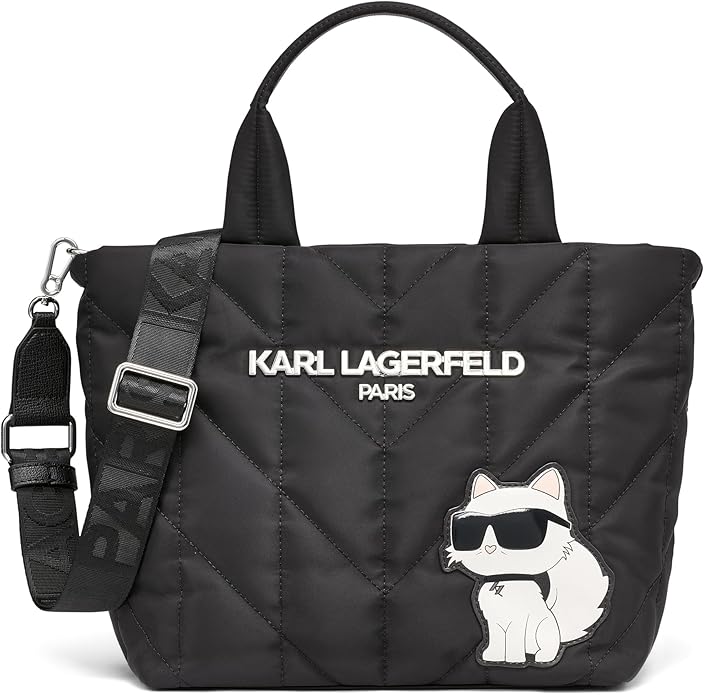
BUY ON AMAZON KARL LAGERFELD women’s Voyage Tote Bag
The Psychology Behind Emotional Spending
Let’s unpack why emotional spending feels so irresistible. It’s not random, science proves it’s wired into how our minds work.
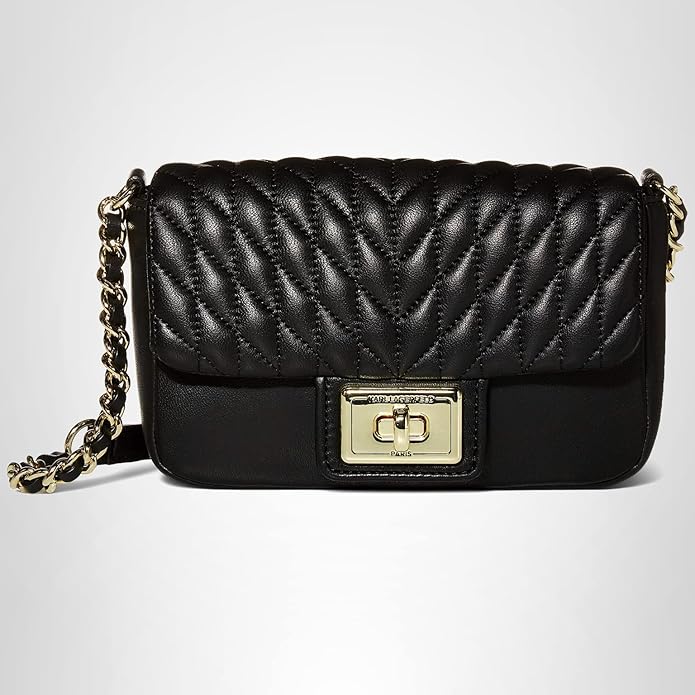
BUY ON AMAZON KARL LAGERFELD womens Agyness Crossbody
- Dopamine and Instant Relief That rush you get from adding to cart? Blame dopamine, your brain’s feel-good chemical. It spikes during purchases, giving a hit of pleasure that eases stress or sadness right away. Over time, your brain links spending to comfort, making it a go-to habit. Studies from Behavioural Economists like those at Harvard show this reward loop mirrors addictions, explaining why it’s tough to quit cold turkey.
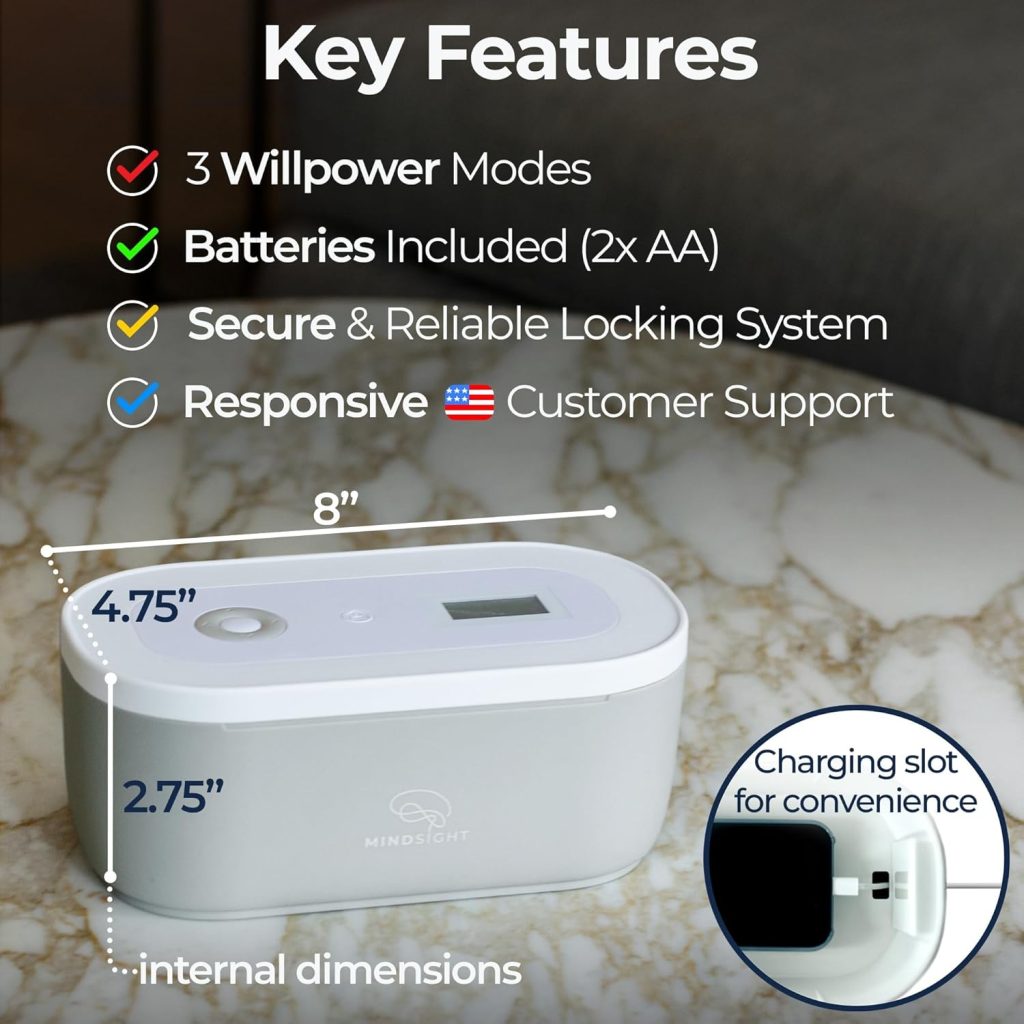
BUY ON AMAZON Mindsight Timed Lock Box
- Stress and Decision Fatigue After a long day, your brain’s executive function the part that weighs pros and cons takes a hit. Stress hormones like cortisol make you crave quick fixes, and shopping delivers. Research from the American Psychological Association links high stress to impulsive behaviours, which is why late-night Amazon scrolls often lead to surprise packages.
- Identity and Self-Worth Purchases often tie into who we want to be. Think: “This outfit makes me look put-together” or “Owning this shows I’ve made it.” Marketers play on this masterfully, selling not just products but stories of success and belonging. Psychologists note this stems from self-esteem needs, as outlined in Maslow’s hierarchy, where spending fills emotional voids. DOWNLOAD THE Maslow’s Hierrarchy HERE
- Avoidance Behaviour Sometimes, buying distracts from deeper issues like anxiety or unmet goals. It’s a temporary escape, but the problems linger, often worsening financial worries, procrastinating is never the right thing to do. Cognitive behavioral therapy experts highlight how avoidance reinforces negative cycles, turning spending into a default response.
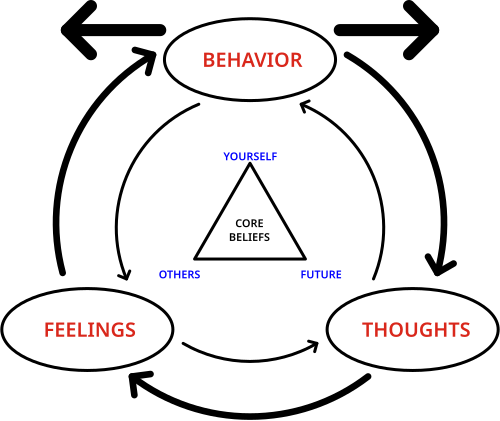
By grasping these drivers, you empower yourself to spot and shift them before they drain your wallet.
Common Emotional Spending Triggers
Everyone’s triggers differ, but spotting yours is like shining a light on hidden leaks in your budget. Track your spends for a week, and you’ll likely see these pop up:
- Stress and Burnout: After a tough meeting or endless to-do list, you “treat” yourself to unwind.
- Boredom: Scrolling turns into shopping when life’s feeling dull, it’s cheap entertainment until the bill hits.
- Loneliness: Filling carts with stuff that promises connection, like trendy items seen on friends’ feeds.
- Social Comparison: Instagram envy strikes, pushing you to match others’ vacations, gadgets, or lifestyles.
- Celebration or Self-Reward: Nailing a goal? Spend to celebrate, even if it derails bigger plans.
- Scarcity or Urgency: Flash sales scream “act now,” tapping into fear of missing out (FOMO).
Journal your mood before any non-essential buy. Patterns emerge fast, helping you anticipate and avoid triggers.
The Real Cost of Emotional Spending
Sure, one impulse buy seems harmless, but they add up stealthily, eroding your financial foundation. Here’s how it hits hard over time:
- Budget Blowouts: Small spends snowball, leaving you short for essentials.
- Credit Card Creep: Relying on plastic leads to interest fees that compound like a bad habit.
- Stalled Goals: Savings for a house, trip, or retirement take hits, delaying dreams.
- Anxiety Loops: Regret breeds stress, which sparks more spending, a vicious circle.
- Lost Control: Constant overrides make you feel powerless over your money.
Data from financial wellness apps like Mint shows users who curb emotional spending save 20-30% more monthly. It’s not just about dollars; it’s reclaiming peace of mind.
How to Identify Emotional Spending in Your Life
Awareness beats denial every time. Start by reflecting honestly:
- Do items show up in your home without a clear “why”?
- Does spending spike during emotional highs or lows?
- Are justifications more “I feel like it” than “I need it”?
- Post-purchase, do guilt or second thoughts creep in?
Try this hands-on challenge: For 30 days, log every buy with notes on your pre- and post-emotions. Apps like Daylio or a simple notebook work wonders. You’ll uncover habits you didn’t even know you had, setting the stage for real change.
How to Stop Emotional Spending: Practical Strategies That Work
Ready to take action? These aren’t pie-in-the-sky ideas, they’re proven tactics from financial therapists and behavioural experts.
Start Small, Build Momentum.
-
Separate Emotion From Action Build in a buffer to let feelings cool. Wait 24-48 hours on anything over $50, add to a wish list first, or sleep on it. Nine times out of ten, the “must-have” fades.
-
Identify the Underlying Need Pause and probe: Craving that coffee run? Maybe you’re really after a break from work. Stressed? Go for a walk instead. Addressing the root cuts spending at the source.
-
Replace Spending With Healthier Coping Mechanisms Swap shop therapy for feel-good alternatives that don’t cost a dime. Here’s a quick guide below :
Emotional Trigger Alternatives Stress Take a brisk walk, try deep breathing, or jot down thoughts in a journal Boredom Dive into a book, learn a new skill online, or hit the gym Loneliness Reach out to a friend, join a club, or volunteer Reward Enjoy non-money perks The key? Make these swaps fulfilling so spending loses its appeal.
-
Create Friction in the Spending Process Make buying harder on purpose. Delete saved payments, bail on email lists, turn off app alerts, and stick to cash for fun money. Less convenience means fewer impulses studies from Consumer Behaviour journals back this up.
-
Use Purpose-Based Budgeting Shift from “no” to “yes, but aligned.” Set buckets for values like travel or family, plus a fun fund without guilt. Before buying, ask: Does this support my big-picture goals? Tools like YNAB (You Need A Budget) make this intuitive.
-
Track Spending Without Judgement Check in weekly, spot trends kindly, and view it as data, not drama. Curiosity sparks change faster than self-criticism ever could.
-
Address Financial Anxiety Directly Tackle fears head-on, Auto-pay bills, stash $1,000 for emergencies, trim unused subs, and do quick monthly reviews. Stability squashes the urge to spend for comfort.
Long-Term Solutions: Building Emotional and Financial Resilience
Short fixes help, but lasting change comes from deeper work. Boost your emotional smarts through mindfulness apps like Head-space or therapy sessions like i had mine with Errol,they teach you to handle feelings without swiping your card.
Tie money to your core identity, What life are you crafting? Prioritise spends that build it, like investing in skills over stuff. When values lead, emotional pulls weaken naturally.
Final Thoughts
Emotional spending isn’t a personal flaw, it’s a human response moulded by our brains, daily pressures, and clever marketing tactics.
The goal isn’t perfection, it’s progress toward choices that truly serve you.
When you are able to see all these habits by spotting triggers, adding smart pauses, and nurturing healthier habits, you’ll not only save money but gain freedom from those regret-filled cycles. Start today with one strategy, like the 24-hour rule, and watch your confidence grow. Always remember, managing money emotionally is a skill anyone can master you’ve got this. If you’re ready to dive deeper, explore resources from financial psychologists or join online communities sharing wins over emotional spending.
Your Future Self Will Thank You. Follow the Rules and Recognise your Spending Habits.
Dive into Amazon and Shein search these links on affiliates , and hit “Buy Now” your era of court conquest begins today, and it’s going to be nothing short of spectacular. Your support is greatly appreciated….

If you found this helpful. Subscribe . Support Pulsetawk and Leave Us a Note On Our Email Below
https://www.paypal.com/paypalme/my/profile /
ADMIN@PULSETAWK.COM