
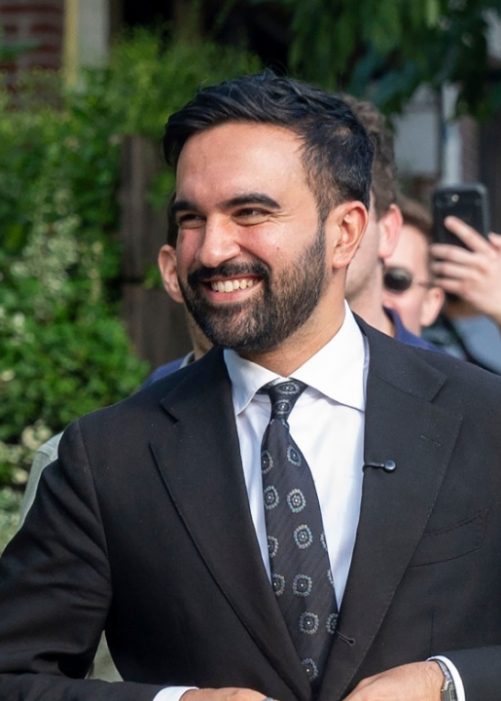
Democratic Socialist Became NYC’s Youngest Mayor in Over a Century
In a jaw-dropping turn of events that shook up New York City’s political scene, Zohran Mamdani pulled off an incredible victory in the 2025 mayoral race on November 4. At only 34, he became the youngest mayor in more than a century, not to mention the first Muslim, the first South Asian, the first born in Africa, and the first democratic socialist to take the helm of the Big Apple. Beating out heavyweights like former Governor Andrew Cuomo, who ran as an independent, and Republican Curtis Sliwa, Mamdani’s rise from a lesser-known state assemblyman to City Hall powerhouse shows just how much charisma and grassroots energy can change the game. It’s a story that highlights a growing hunger for progressive ideas in big-city politics.
From Immigrant Roots to Political Stardom
Early Life and Influences
Zohran Kwame Mamdani’s story begins far from the bustling streets of New York. Born in 1991 in Kampala, Uganda, to Ugandan-Indian parents, he grew up in a family shaped by migration and cultural diversity. His parents’ background instilled in him a deep sense of resilience and a global perspective. When he was just seven years old, his family relocated to New York City, where he would spend his formative years. But that’s not all—part of his upbringing included time in post-apartheid Cape Town, South Africa, which exposed him to issues of racial justice, inequality, and social reform. These experiences would later fuel his passion for advocating on behalf of marginalized communities.
Becoming a U.S. citizen in 2018 marked a pivotal moment, symbolizing his full integration into American society while never forgetting his roots. Mamdani’s mother, the acclaimed filmmaker Mira Nair, provided a creative influence that encouraged him to think outside the box. This blend of cultural heritage and artistic flair set the stage for a unique approach to politics—one that combines policy expertise with storytelling and community engagement.
Pre-Political Career and Creative Pursuits
Before diving into the political arena, Mamdani worked as a housing counselor in New York, where he helped families prevent foreclosures during economic hardships. This hands-on role gave him firsthand insight into the struggles of working-class New Yorkers, from skyrocketing rents to financial instability. It was here that his commitment to social justice truly solidified, as he witnessed the human cost of systemic inequalities.
Mamdani isn’t your typical politician he moonlights as a rapper under the stage name “Mr. Cardamom,” creating music that weaves hip-hop rhythms with pointed commentary on social issues like racism, poverty, and urban life. His tracks aren’t just entertainment; they’re a form of activism, using art to amplify voices that are often overlooked. This creative side has endeared him to younger voters, who see him as relatable and innovative rather than stuffy and out of touch.
The Road to the Mayoral Race
Entering Politics and Early Wins
Mamdani’s political journey officially began in 2020 when he won a seat in the New York State Assembly representing Astoria, Queens. As a member of the Democratic Socialists of America (DSA), he quickly made a name for himself by championing progressive causes. His agenda included pushing for rent freezes to address the housing crisis, advocating for free public transit to improve accessibility, and proposing taxes on the wealthy to fund essential social programs.
In Albany, Mamdani didn’t shy away from tough fights. He collaborated with like-minded legislators to advance reforms that benefited everyday people, earning respect from grassroots organizations and labor unions. These early victories built his reputation as a principled fighter, setting the foundation for his ambitious mayoral bid. When he announced his candidacy, many dismissed him as too radical or inexperienced, but Mamdani saw it as an opportunity to bring real change to a city in need.
Building a Progressive Platform
At the heart of Mamdani’s campaign was a vision for a more equitable New York. He focused on affordability, proposing free child care to support working families, eliminating bus fares to reduce daily costs for commuters, and even establishing city-run grocery stores in underserved areas to combat food insecurity. To fund these initiatives, he advocated for a “millionaire’s tax,” arguing that the ultra-wealthy should contribute more to the city’s well-being.
Public safety was another key area. Mamdani proposed creating a Department of Community Safety, which would prioritize mental health professionals over police for non-violent situations. This approach drew from movements like Black Lives Matter, aiming to reduce tensions and build trust in communities. His platform resonated with voters tired of the status quo, especially in a post-pandemic era where economic disparities had widened.
The Campaign Trail: Challenges and Triumphs
Navigating the Democratic Primary
The June 2025 Democratic primary was a high-stakes battle. Mamdani faced off against Andrew Cuomo, the former governor with decades of experience and strong name recognition. Cuomo positioned himself as a moderate, experienced leader who could steer the city through challenges. In contrast, Mamdani ran a grassroots campaign fueled by small donations and volunteer enthusiasm.
His strategy included innovative outreach: organising scavenger hunts, soccer tournaments, and viral social media videos that explained policies in simple, engaging terms. These efforts helped him connect with diverse demographics, from young professionals to immigrant communities. Despite skepticism, Mamdani won the primary by about 13 points, proving that bold ideas could outperform establishment clout.
Controversies and Opposition
No campaign is without hurdles, and Mamdani’s was no exception. His vocal criticism of Israel’s policies in Gaza sparked backlash from pro-Israel groups and some Jewish leaders, who labeled his views as antisemitic. Mamdani denied these accusations, emphasizing that his stance was about human rights and accountability, not prejudice. This issue divided the Jewish community, with progressive organizations like Bend the Arc supporting him and arguing that true safety comes from combating far-right threats.
Establishment Democrats also hesitated. Figures like Senate Minority Leader Chuck Schumer withheld endorsements, fearing Mamdani’s left-leaning positions could alienate moderates. The Queens Democratic Party even snubbed him, highlighting internal party rifts. Additionally, at least 26 billionaires funded opposition ads, viewing his tax proposals as a direct threat to their interests.
The General Election Showdown
After the primary, Cuomo relaunched as an independent, creating a three-way race with Republican Curtis Sliwa. Sliwa, founder of the Guardian Angels, attacked Mamdani’s policies as socialist experiments that would undermine public safety. National figures amplified the drama: President Donald Trump endorsed Cuomo and threatened to cut federal funds to NYC if Mamdani won, calling him a “communist.” Elon Musk joined the fray, mocking Mamdani online and spreading unfounded conspiracies.
Despite the onslaught, Mamdani stayed focused. He built a coalition of progressives, including endorsements from Senators Bernie Sanders and Elizabeth Warren, labor unions, and even some celebrities. His campaign’s optimistic tone and community events boosted voter turnout to record levels.
Election Night and Historic Results
The Vote Count and Borough Breakdowns
Election Day on November 4, 2025, saw over 2 million ballots cast—the highest turnout in over 50 years. As results came in, Mamdani surged ahead. With 91% of votes tallied, he secured 50.4% (over a million votes), defeating Cuomo’s 41.6% and Sliwa’s 7.1%. He dominated four boroughs: Brooklyn by 20 points, Manhattan by 10, Queens by 5, and the Bronx by 11. Cuomo won Staten Island decisively, but it wasn’t enough to overcome Mamdani’s broad support.
Demographically, Mamdani excelled among Black voters (+26 points), Hispanics (+20), renters (+20), and areas that strongly backed Kamala Harris in 2024 (+23). This diverse backing underscored his appeal as a unifying figure.
Victory Speech and Immediate Reactions
At his Brooklyn victory party, Mamdani addressed a jubilant crowd: “New York, tonight you have delivered a mandate for change.” He promised daily dedication to improving the city and took a swipe at Trump, noting that NYC, the city that “gave rise to him,” knows how to defeat betrayal. Celebrating as a “city of immigrants led by an immigrant,” he invoked unity and hope. DSA supporters chanted “Socialism wins!” amid celebrations.
Opponents responded variably. Cuomo conceded, warning that half the city rejected unrealistic promises. Sliwa urged caution on policing changes. Trump posted a ominous “…AND SO IT BEGINS!” on Truth Social. Social media buzzed with joy from supporters and skepticism from critics, including international reactions from Egypt and India.
Implications for New York and Beyond
Policy Changes on the Horizon
Mamdani assumes office on January 1, 2026, with ambitious plans. His millionaire tax could generate billions for programs like free transit and child care. The Community Safety Department aims to reform responses to crises, potentially reducing violence. Housing initiatives, like rent freezes, could stabilize costs for millions of renters. However, challenges include state-level resistance and federal threats from Trump.
Environmentally, free buses might lower emissions, aligning with climate goals. These changes could make NYC a model for progressive urban governance, but success depends on navigating opposition and building alliances.
National and Global Significance
Nationally, Mamdani’s win signals a shift in the Democratic Party, showing that embracing progressive policies can energize bases and win elections. It challenges centrists like Cuomo and inspires socialists, as the first DSA mayor of a major city. Comparisons to Barack Obama’s rise highlight its historic nature, per Rev. Al Sharpton.
Globally, as an African-born, South Asian Muslim leader, Mamdani represents immigrant achievement. His victory resonates in places like Uganda and India, symbolizing hope in a divided world. In Trump’s second term, it offers a counter-narrative of inclusive leadership.
Lessons Learned and Future Outlook
Mamdani’s triumph teaches that authenticity and bold vision can overcome money and establishment power. By defying billionaires and national critics, he proved grassroots movements work. As he steps into City Hall, the world watches: Can he deliver on promises? If so, it could spark a wave of similar wins across America.
In turbulent times, Mamdani’s story is a beacon of possibility. From Uganda to NYC mayor, his journey reminds us that change starts with challenging the status quo. As he put it, “A new dawn for humanity has begun.”
Dive into Amazon, search these links on affiliates , and hit “Buy Now” your era of court conquest begins today, and it’s going to be nothing short of spectacular.

If you found this helpful. Subscribe . Support Pulsetawk and Leave Us a Note On Our Email Below
https://www.paypal.com/paypalme/my/profile /
ADMIN@PULSETAWK.COM