
On June 24, 2025, Iran shattered a fragile ceasefire brokered by U.S. President Donald Trump, launching a barrage of ballistic missiles at Israel in a dramatic escalation of the Iran-Israel conflict. The attack, codenamed Operation True Vengeance, marks a bold defiance of international diplomatic efforts and thrusts the Middle East into a perilous new phase of warfare. Israel, reeling from the assault, vows swift retaliation, while global powers scramble to contain a conflict teetering on the edge of regional catastrophe. This article examines the events, motivations, and consequences of Iran’s missile strikes, drawing on real-time reports and expert analysis.
Trump’s Ceasefire Crumbles
Just days before the attack, President Trump, leveraging his second term’s diplomatic clout, called for an immediate ceasefire between Iran and Israel on June 20, 2025. Speaking from the White House, Trump urged both nations to “step back from the brink,” warning that continued hostilities risked “unthinkable destruction.” The ceasefire, fragile from the outset, followed weeks of tit-for-tat strikes, including Israel’s Operation Rising Lion on June 13, which targeted Iran’s Natanz nuclear facility and killed senior Islamic Revolutionary Guard Corps (IRGC) commanders. Iran’s restrained response at the time—limited drone strikes—suggested a willingness to de-escalate under international pressure.
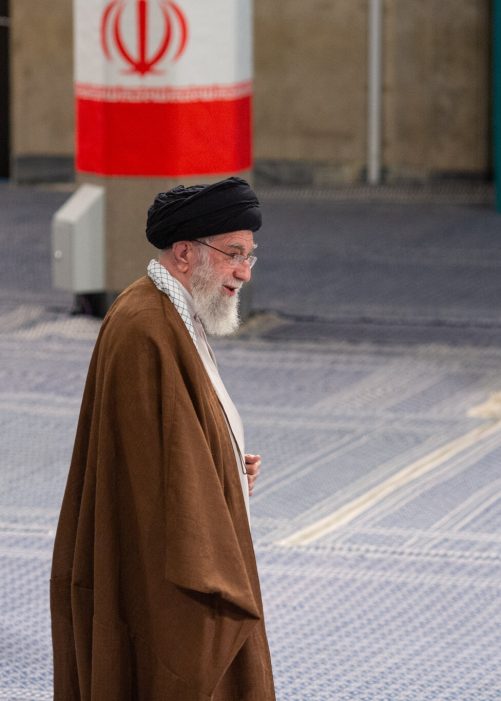
However, hardline factions within Iran’s leadership, led by Supreme Leader Ali Khamenei, rejected Trump’s overture. On June 23, Iranian state media broadcast Khamenei’s fiery speech, declaring, “The Zionist regime’s aggression demands a response that shakes its foundations.” Analysts suggest Iran’s decision to break the ceasefire stemmed from domestic pressures to project strength, especially after the humiliation of Israel’s precise strikes on its nuclear program. The missile attack, launched at 2:17 AM local time on June 24, underscores Iran’s resolve to challenge both Israel and U.S. influence in the region.
The Missile Barrage Unleashed
Iran’s attack began with a coordinated salvo of over 300 ballistic missiles, including advanced Fateh-110 and Shahab-3 models, fired from bases in western Iran. The missiles targeted key Israeli cities—Tel Aviv, Haifa, and Jerusalem—as well as military installations like the Nevatim Airbase. Accompanying the missiles were swarms of kamikaze drones, designed to overwhelm Israel’s multilayered air defenses. Iranian military officials claimed the strikes aimed to “neutralize Zionist aggression” and avenge the deaths of IRGC leaders.
Israel’s Iron Dome, Arrow, and David’s Sling systems sprang into action, intercepting approximately 70% of the incoming projectiles, according to the Israel Defense Forces (IDF). U.S. and Jordanian air forces, operating from regional bases, assisted with intercepts, downing dozens of drones over Jordanian and Iraqi airspace. Despite these efforts, several missiles struck their targets. In Tel Aviv, a residential high-rise collapsed, killing 18 civilians. Haifa’s port sustained heavy damage, disrupting oil shipments, while a hospital in Jerusalem reported 42 injuries from shrapnel. The IDF confirmed three soldiers killed at a northern base, bringing the initial death toll to at least 24, with over 1,200 wounded.
Social media posts on X captured the chaos in real time. One user in Tel Aviv wrote, “Sirens blaring, explosions everywhere—never seen anything like this.” Another shared a video of fiery streaks lighting up the night sky, captioned, “Iron Dome working overtime, but some got through.” The psychological toll on Israelis is palpable, with bomb shelters packed and schools shuttered indefinitely.
Israel’s Response: Vows of Retaliation
Israeli Prime Minister Benjamin Netanyahu convened an emergency security cabinet meeting within hours of the attack. Addressing the nation, he declared, “Iran has crossed a red line. Our response will be swift, precise, and devastating.” The IDF mobilized reservists and placed air forces on high alert, signaling preparations for a major counterstrike. Analysts speculate Israel may target Iran’s oil refineries, missile production sites, or even leadership figures, risking further escalation.